Floods: Building boom in Nepal and India’s Uttarakhand puts 300,000 people in path of potential Himalayan disasters, study suggests

Alton Byers, a mountain geographer at the University of Colorado who was not involved in the study, says it should serve as a “springboard” to bring about more effective early-warning systems and other precautionary measures.
But achieving that will be a challenge. Campaigners say building regulations aren’t implemented on the ground and through the years, development has been haphazard in too many places.
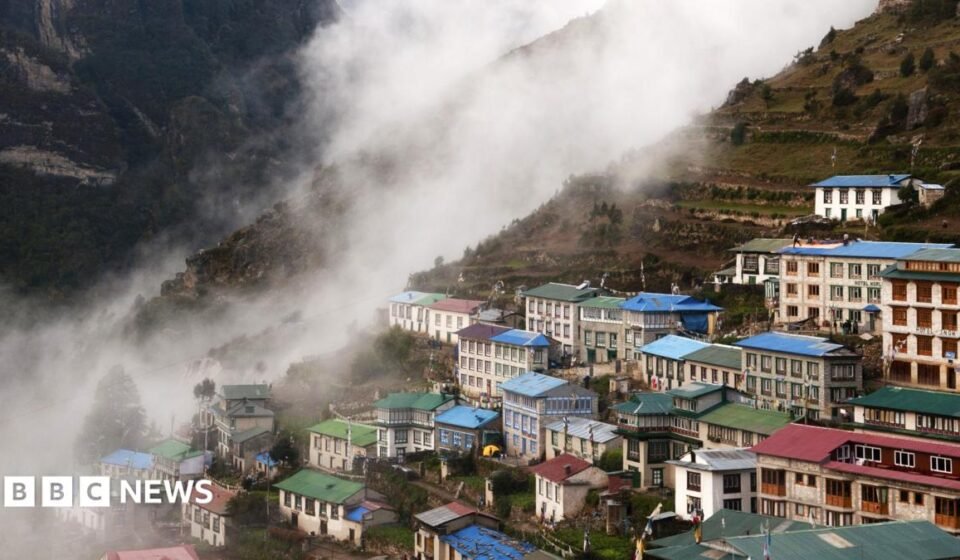
Roads, hydropower projects, hotels and market towns have expanded on the low, flat land along rivers, which is accessible and buildable, says Prof Surya Raj Acharya, an urban planning expert and registrar at the University of Nepal.
Those responsible have often ignored safeguards including keeping off the river bank, he adds.
“A fragile ecosystem like the Himalaya demands stricter planning and building regulations than elsewhere, yet these rules have been weak and poorly enforced.”
Authorities in Nepal say they are working to address these issues. Settlements within 15m (49ft) of the riverbank along the recently devastated Rasuwa-Bhotekoshi corridor will soon be banned, according to the national disaster agency. Similar rules are being introduced in other river corridors soon.
“It is a challenging job because people in many places have sentimental attachments with their land and property but we cannot ignore the increasing risks,” says chief executive Dharam Raj Uprety.